Andhra Pradesh Governor Highlights Low Participation of Women in Indian Politics
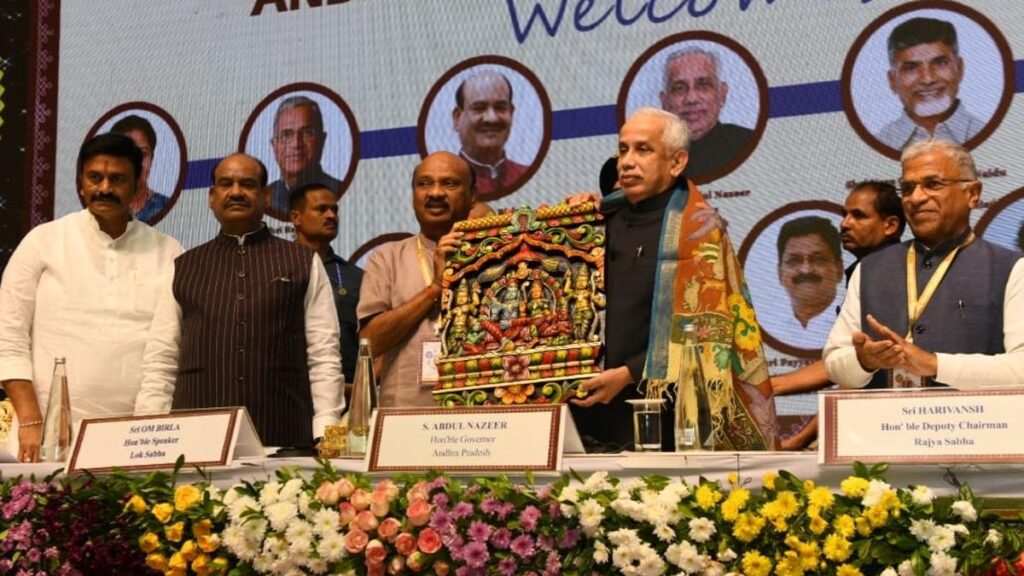
Andhra Pradesh Governor expressed concern over the low participation of women in Indian politics
The Governor of Andhra Pradesh recently expressed concern over the low participation of women in Indian politics during a public event. He said that maximum participation of women is necessary to make the democratic system strong and balanced. This issue has been a topic of discussion for a long time, but even today, the presence of women at the ground level is very limited in politics.
Current status of women’s participation
The share of women in the Parliament and state assemblies of India is still very low. According to the data, the number of women MPs in the Lok Sabha is only about 15 percent of the total members. Similarly, women reach only 10-12 percent of women in state assemblies. While half the population of the country is women, this representation of them is considered extremely unbalanced and inadequate.
Why the concern of the Governor is important?
The Governor clarified that democracy would be strong only when it would have equal representation of all classes and all sexes. He said that women should come forward not only as voters, but also as policy makers and decision-makers. If the voice of women does not reach Parliament and Legislative Assembly, then issues related to their interests will remain incomplete.
Background of women’s reservation bill
The Women’s Reservation Bill has been in discussion for a long time to increase the participation of women in India. Under this bill, it has been proposed to reserve 33 percent seats for women in Parliament and Legislative Assembly. Although this bill was presented in Parliament several times, but has not been fully implemented so far. The Governor’s statement has once again brought this debate alive.
Obstacles and challenges
There are many reasons behind low participation in women’s politics.
Social approach – Politics is still considered as male dominated area in many parts of society.
Lack of economic resources – Lack of economic means to contest elections, which women are often limited.
Lack of opportunities at the party level – Political parties hesitate to give tickets to women.
Security and family pressure – Many women shy away from being active in public life.